Uncategorized

Uncategorized

High-Volume Restaurants: Managing the Business Flow

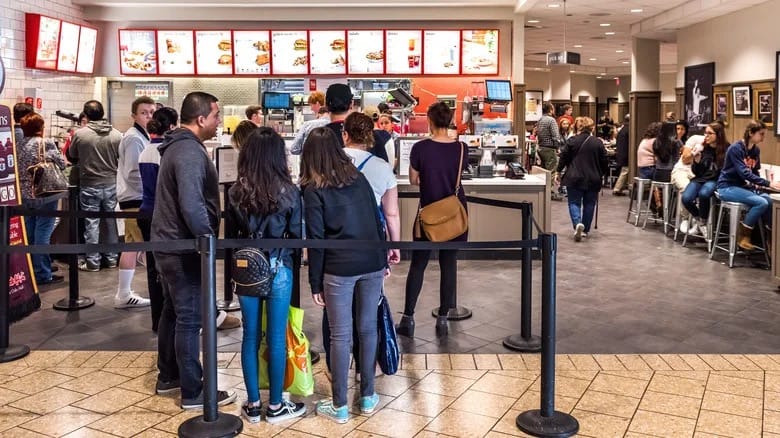
High-Volume Restaurants: Managing Flow If you’ve ever stepped into a packed restaurant that feels alive but not chaotic — where everything seems to move with rhythm and purpose — you’re witnessing something special.That kind of energy doesn’t happen by accident. It’s engineered. High-volume restaurants aren’t simply busy; they’re choreographed. Every movement — the pace of servers, the hum of the kitchen, the way guests are greeted and seated — all connect into one seamless flow. And the person orchestrating it? The manager. A great manager doesn’t just watch the floor — they design how it runs. They see the restaurant as a living system: energy in, energy out. When flow is intentional, guests feel momentum, teams feel supported, and service feels effortless — even on the busiest nights. 1. Flow Is Designed, Not Left to Chance From the moment a guest walks in to the time their check is paid, every touchpoint builds momentum.Host greeting → seating → order taking → food arrival → payment → table turn. A slowdown at one stage impacts the entire experience.Smart managers look at the operation as a connected chain, not a series of isolated actions.When each link functions with purpose and timing, the restaurant moves as one — confidently and consistently. 2. Real-Time Leadership: The Manager as Floor Director The best managers don’t react to what’s happening — they anticipate what’s about to happen. They: Redirect labor before it’s needed Assign hands to bottlenecks (expo, host stand, clearing) Coach servers on pace, tone, and table awareness Adjust seating flow to match kitchen cadence This isn’t micromanagement — it’s direction.A strong Floor Director sets the tempo, reads the room, and coordinates movement so the team performs as one.They don’t wait for problems — they remove friction before guests ever feel it. 3. Supporting Staff to Hit KPIs Flow doesn’t happen without structure. Your team needs clarity on what success looks like — in numbers, not just effort. Speed-of-service benchmarks Table-turn expectations Beverage-to-food ratio goals Feature-item targets to lift average guest spend When staff understand the targets, they perform toward them.That’s not pressure — that’s empowerment. And when the manager uses those metrics as tools for coaching — not correction — the culture shifts from survival modeto performance mode. 4. Volume Should Feel Energetic — Not Rushed Guests should feel movement, not madness.The energy of a busy restaurant should feel exciting, not exhausting. Hospitality is pace without pressure.It’s that sweet spot where momentum meets meaning — where guests feel cared for, not carried along. 5. Guest and Operations Flow Is Revenue Flow isn’t just a service philosophy — it’s a revenue strategy.Every minute saved, every smooth transition, and every friction point removed adds up in real dollars. When hosts seat efficiently, tables turn faster.When servers are synchronized with the kitchen, ticket times drop and guest satisfaction rises.When the atmosphere hums with rhythm, guests order that extra cocktail or dessert — because they’re comfortable staying longer. That’s the magic equation of hospitality economics:operational flow = guest experience = higher revenue. Top-performing restaurants don’t chase sales; they create conditions where sales happen naturally.When the experience feels effortless, guests spend more — and return more often. Closing Thought Managing flow isn’t about keeping up — it’s about staying ahead.It’s about being two steps in front of the rush, quietly steering the energy before it ever tips out of balance. A high-volume restaurant runs like a live performance — every role, every cue, every guest interaction happening in real time. The manager is the director, ensuring pace, tone, and tempo stay aligned. And when it’s done right, guests don’t see the effort — they feel the harmony. Because leadership in high-volume service isn’t about reacting — it’s about reading the room, adjusting the rhythm, and creating calm inside the chaos.It’s where preparation meets intuition, and where systems meet empathy. When you lead with presence, clarity, and rhythm, you don’t just maintain control of a shift — you elevate it into an experience. Because high-volume isn’t pressure — it’s performance.And when managers lead with purpose, everyone — guests, staff, and the brand — moves in sync. Warm regards, Ken Gooz  
Uncategorized

Opening Like a Pro: How Managers Set the Tone Before the First Guest Walks In

  In high-volume restaurants, success doesn’t start when the doors open — it starts long before. The opening routine isn’t just operational. It’s cultural. It defines service standards, sets expectations, and creates the conditions for great guest experiences. Strong managers understand this. They know that the morning environment is the foundation for the entire day’s performance. 1. The Manager Sets the Standard Before any setup begins, the manager’s presence matters. How they walk in. How they speak. How they prepare themselves. Teams pick up on energy, urgency, and discipline — instantly. If the manager is calm, focused, and prepared, the team aligns. If the manager is rushed, reactive, or scattered — the shift will follow that tone. 2. Front-of-House Setup: Creating a Ready-to-Serve Environment Guests should feel welcomed before a person says a word. That means: Floors cleaned and staged Lights and music at the right setting Stations stocked and organized Reservation/guest queue system prepared Uniform standards checked before the first interaction Guest experience begins at the host stand — not at the table. 3. Kitchen Setup: Speed + Quality Assurance High-volume restaurants are won or lost on prep. Not during the rush. Key manager responsibilities: Confirm prep levels are aligned to forecast, not habit Conduct mise en place checks for accuracy and portioning Taste test one feature menu item daily Make sure equipment, screens, and line layout match the volume expectation of the shift Quality is not a surprise. It is engineered before service begins. 4. When Setup is Strong, the Guest Experience Feels Effortless If the environment is ready, the team can focus on what matters: connection, hospitality, warmth, and leaving an impression. The guest should feel like everything just works. That is the ultimate sign of preparation done right. You cannot deliver guest experience if you don’t build the environment for it first. Ken Gooz  

Uncategorized

The Brand Advantage: Creating Demand, Loyalty & Emotional Connection

  Restaurants Making More Money in 2026 — Part 2 of 3 By Ken Gooz Welcome back to the second installment of our three-part series on making more money in your restaurant in 2026. In Part 1, we strengthened the financial engine at the store level. Now, we shift to the top-line driver of growth: Guests don’t return because of price — they return because of how your restaurant makes them feel. In 2026, winning restaurants aren’t just serving food. They’re building identity, culture, and belonging. Your Brand Is Not Your Logo — It’s the Feeling in the Room A brand is the emotional imprint that guests take with them. It shows up in: The way your team greets people The warmth of the environment The story behind your food The culture your team projects People don’t recommend restaurants because the menu was “fine.” They recommend places that made them: Feel welcome Feel understood Feel connected This is where loyalty comes from. Founders as Storytellers — Not Just Operators Today’s guest — especially Millennials and Gen Z — wants to know: Who is behind this brand? What do they believe in? Why does this food matter? The chef or founder doesn’t need to be a celebrity. But they do need to be present — in the narrative, the tone, and the values. When guests connect with the why, they return for the what. Community Is the New Marketing The most successful restaurant brands today: Host events Support local makers Collaborate with nearby businesses Build digital community through story, not ads Community creates demand pull. Demand pull drives AUV and repeat frequency. This is the brand advantage. Culture and Hospitality Are Revenue Drivers Hospitality is not a cost. It is a revenue strategy. Warmth increases check value. Connection increases repeat visits. Consistency increases brand trust. The brand is built in moments — dozens per shift. Closing Statement Your brand is not what you say it is — it is what guests feel and repeat. When you build emotional connection, you create loyalty. And loyalty is the most profitable revenue stream in the business. Join me in Part 3, where we talk about: Menu Evolution & Product Mix Strategy — Designing the Menu for Margin, Not Just Taste. This is where financial discipline and brand experience come together. Ken Gooz President & CEO  

Uncategorized

Restaurants Making More Money in 2026
 A Practical Playbook for Founders, Operators & Emerging Restaurants

The Profit Engine: Strengthening Unit Economics Before You Scale Restaurants Making More Money in 2026 — Part 1 of 3 By Ken Gooz This is the first of a three-part series designed to help you make more money in your restaurant in 2026. Not through gimmicks, not by cutting corners — but by strengthening the financial engine of your business. Before any restaurant can grow — before franchising, expansion, brand building, or investment — the store-level economics must be strong, repeatable, and predictable. Many restaurants try to scale too early. But the ones that endure understand one thing: You don’t scale stores — you scale systems. And those systems start with profitability at the unit level. Start With the Numbers That Matter You don’t need to be a CFO to manage restaurant profit. But you do need to understand the levers that move your bottom line. The core financial engine comes down to: AUV (Average Unit Volume) — how much revenue each store generates Contribution Margin — what’s left after food and labor costs Prime Cost — the combined cost of product and people Operating Discipline — the daily, repeatable behaviors When these are aligned, margin strengthens. When they drift, profit disappears — often quietly. Menu Profitability Isn’t About Raising Prices Too many restaurants raise prices without understanding: What sells most often What drives labor intensity What actually contributes to margin Menu engineering matters: Remove low-margin, low-volume items Highlight high-margin signature items Use attach-rate strategies for add-ons and beverages You don’t need a bigger menu. You need a smarter one. Labor Efficiency Comes From Training and Setup Labor cost isn’t just a number — it’s the outcome of: Preparation discipline Clear station roles Strong shift leadership Confidence-based training (not trial-and-error) When teams know what “good” looks like, they: Move faster Waste less Require less supervision That shows up in your P&L — every shift. Small Adjustments Scale Quickly A $50/day improvement in margin at a single location = $18,000/year in added cash flow. Multiply that across: 3 stores → $54,000/year 10 stores → $180,000/year Small shifts, repeated daily → material value creation. Closing Statement Improving profitability isn’t about working harder — it’s about working smarter, with clarity and intention. This is where sustainable growth begins. Join me in Part 2, where we talk about: Building a Brand That Guests Choose — and Return To. Because once the financial engine is strong, it’s time to create demand and loyalty. Ken Gooz President CEO ,Mainstreet Global Inc MainstreetGlobal.ca  

Uncategorized

Why Western Canada Is Becoming a Test Market for North American Food Innovation

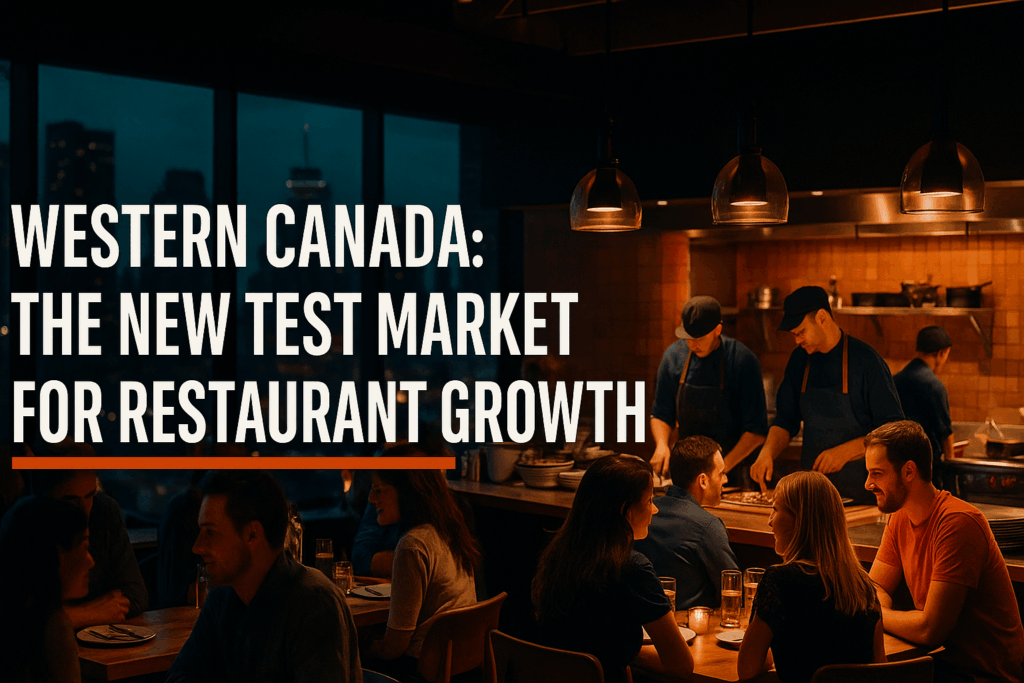
When it comes to testing new restaurant concepts, menu ideas, or brand positioning, Western Canada has quietly become one of the most valuable “proving grounds” in North America. It’s a region where consumer diversity meets economic confidence — and where brands can learn quickly what works, what scales, and what investors will back. As someone who’s spent years advising restaurant founders, franchise groups, and investors across Canada and abroad, I can say with confidence: the West is where food innovation is moving fastest. 1. A Population That Tries Before the Rest Cities like Calgary, Edmonton, and Vancouver are ideal for testing because their populations are adventurous and multicultural. Guests are willing to try global flavors, plant-based menus, and emerging fast-casual concepts well before they trend nationally. It’s not just curiosity — it’s lifestyle. Western Canadians dine out more frequently than most regions in Canada, and that behavior creates the perfect environment for early adoption. 2. A Business Climate Built for Experimentation The West’s pro-business climate, manageable real estate costs (outside downtown cores), and strong independent operator base make pilot projects easier to launch and refine. Whether it’s a 1,200 sq. ft. prototype, a fast-casual ghost kitchen, or a suburban multi-unit rollout, the economics work — and the feedback loop is fast. 3. A Culinary Culture That Reflects the World Walk down a food street in Vancouver or Calgary and you’ll find everything from Japanese-inspired tacos to Korean fried chicken sandwiches to Mediterranean grain bowls — all often created by young local entrepreneurs. This blend of cultures gives Western Canada something rare: menu acceptance range. It’s an incredible advantage for testing global flavors and identifying what has mainstream appeal before brands take it national or international. 4. Data-Driven Brands Are Leading the Way More Western Canadian founders are combining creative culinary ideas with strong business modeling — testing not just menu items but full unit economics. We’re seeing a new wave of restaurant entrepreneurs running sensitivity analyses, AUV targets, and payback periods right alongside recipe development. That’s what turns an idea into an investable business. 5. The West as a Launchpad Some of Canada’s most successful chains started right here — JOEY, Cactus Club Café, Browns, The Keg, Earls, Boston Pizza, and The Chopped Leaf. — all proving that if you can make a concept work in Western Canada, it can compete anywhere. The mix of demographics, geography, and consumer sophistication provides the perfect test case before scaling across Canada or entering global markets like Southeast Asia or the Middle East. Building the Next Great Restaurant Brand Starts Here If you’re developing a restaurant brand, think of Western Canada not just as a region — but as a live laboratory for what’s next in food, brand culture, and scalable growth. Innovation here doesn’t just test menus. It tests systems, leadership, and investor readiness. At Mainstreet Global, we work with founders and investors to refine business models, strengthen franchise systems, and position brands for sustainable growth — starting right here in Western Canada. Whether you’re exploring expansion, licensing, or building investor-grade systems, I’d be glad to share insights and help you navigate your next move in Western Canada’s dynamic hospitality market. Let’s build it together. — Ken Gooz President & CEO, Mainstreet Global Inc. Hospitality Advisors & Consultants mainstreetglobal.ca  

Uncategorized

The Rise of ChefPreneurs: How Culinary Founders Are Turning Passion into Scalable Businesses

Over the past decade, I’ve noticed a powerful shift in the restaurant industry. A new type of founder is emerging — part chef, part entrepreneur, part brand-builder. I call them ChefPreneurs. These are chefs who aren’t just cooking for the plate in front of them — they’re building a concept, a culture, and a brand that can scale. They’re translating personal passion into business systems that others can follow. And they’re doing it with surprising sophistication. This is changing the industry. From Back of House to Boardroom Not long ago, chefs were expected to: Create the menu Run the kitchen Maintain standards Work long hours Stay “behind the scenes” But today, the chef is the brand identity, the voice, the storyteller. Guests want to know: Who created this? What do they believe in? Why does this food matter? The ChefPreneur steps forward — not as a celebrity — but as the cultural anchor of the brand. Case Study Example: When Vision Becomes a System You can see the ChefPreneur shift most clearly in brands where the founder begins as the creative engine — but realizes the brand can’t grow if everything depends on them personally. Many chef-led restaurants start with one location, full dining rooms, and emotional loyalty built around the chef’s presence. The menu is exceptional. The plating precise. The energy undeniable. But as soon as the brand expands to a second or third location, the question appears: Is the experience repeatable without the founder standing in the kitchen? This is where vision must become system. Recipes shift from intuition to precision Prep routines and workflow are standardized Service language is defined and taught Culture is expressed intentionally — not absorbed accidentally And something powerful happens: The restaurant stops being a reflection of one person and becomes a brand that others can carry forward. This doesn’t reduce creativity — it protects it. It ensures the emotional connection of that first dining room can be replicated anywhere. This is the moment a chef becomes a ChefPreneur: Creativity becomes teachable. Passion becomes transferable. Identity becomes scalable. ChefPreneurs Understand That Creativity Must Be Systemized A scalable restaurant brand is built around three pillars: Pillar Description Brand Identity What the concept stands for and how it feels Operational Systems How the brand is executed every day Financial Model AUV, payback period, margin stability & scalability Passion opens the doors. Systems keep them open. Financial clarity allows the business to multiply. This is the ChefPreneur mindset. Franchise-Ready Doesn’t Mean Corporate — It Means Transferable There’s a misconception that franchising “waters down” culinary integrity. In reality: Franchising preserves originality through consistency. It protects: Flavor standards Ingredient specs Training discipline Cultural identity The freedom comes from structure — not the absence of it. ChefPreneurs build brands that scale with soul. The Market Is Rewarding Chef-Led Brands We’re seeing: Guests choose identity-driven concepts Investors value brands with clear leadership stories Talent gravitates to strong, purpose-led kitchen cultures Media amplifies chef-led brand movements ChefPreneurs are uniquely positioned to lead this era. They understand emotional connection and are learning business scalability. That combination wins. My Message to Chefs and Culinary Founders If you are a chef with a vision — your creativity is your advantage. Your next step is to design your creativity so others can deliver it. Your brand is bigger than your kitchen. Your leadership is bigger than your menu. Your story is bigger than your origin. Your talent is scalable — when you choose to make it scalable. And that’s what makes a ChefPreneur. — Ken Gooz President & CEO, Mainstreet Global Inc. Hospitality Advisors & Consultants mainstreetglobal.ca  

Uncategorized

Why Western Canada Is Becoming a Test Market for North American Food Innovation

When it comes to testing new restaurant concepts, menu ideas, or brand positioning, Western Canada has quietly become one of the most valuable “proving grounds” in North America. It’s a region where consumer diversity meets economic confidence — and where brands can learn quickly what works, what scales, and what investors will back. As someone who’s spent years advising restaurant founders, franchise groups, and investors across Canada and abroad, I can say with confidence: the West is where food innovation is moving fastest. 1. A Population That Tries Before the Rest Cities like Calgary, Edmonton, and Vancouver are ideal for testing because their populations are adventurous and multicultural. Guests are willing to try global flavors, plant-based menus, and emerging fast-casual concepts well before they trend nationally. It’s not just curiosity — it’s lifestyle. Western Canadians dine out more frequently than most regions in Canada, and that behavior creates the perfect environment for early adoption. 2. A Business Climate Built for Experimentation The West’s pro-business climate, manageable real estate costs (outside downtown cores), and strong independent operator base make pilot projects easier to launch and refine. Whether it’s a 1,200 sq. ft. prototype, a fast-casual ghost kitchen, or a suburban multi-unit rollout, the economics work — and the feedback loop is fast. 3. A Culinary Culture That Reflects the World Walk down a food street in Vancouver or Calgary and you’ll find everything from Japanese-inspired tacos to Korean fried chicken sandwiches to Mediterranean grain bowls — all often created by young local entrepreneurs. This blend of cultures gives Western Canada something rare: menu acceptance range. It’s an incredible advantage for testing global flavors and identifying what has mainstream appeal before brands take it national or international. 4. Data-Driven Brands Are Leading the Way More Western Canadian founders are combining creative culinary ideas with strong business modeling — testing not just menu items but full unit economics. We’re seeing a new wave of restaurant entrepreneurs running sensitivity analyses, AUV targets, and payback periods right alongside recipe development. That’s what turns an idea into an investable business. 5. The West as a Launchpad Some of Canada’s most successful chains started right here — JOEY, Cactus Club Café, Browns, The Keg, Earls, Boston Pizza, and The Chopped Leaf. — all proving that if you can make a concept work in Western Canada, it can compete anywhere. The mix of demographics, geography, and consumer sophistication provides the perfect test case before scaling across Canada or entering global markets like Southeast Asia or the Middle East. Building the Next Great Restaurant Brand Starts Here If you’re developing a restaurant brand, think of Western Canada not just as a region — but as a live laboratory for what’s next in food, brand culture, and scalable growth. Innovation here doesn’t just test menus. It tests systems, leadership, and investor readiness. At Mainstreet Global, we work with founders and investors to refine business models, strengthen franchise systems, and position brands for sustainable growth — starting right here in Western Canada. Whether you’re exploring expansion, licensing, or building investor-grade systems, I’d be glad to share insights and help you navigate your next move in Western Canada’s dynamic hospitality market. Let’s build it together. —Ken GoozPresident & CEO, Mainstreet Global Inc.Hospitality Advisors & Consultantsmainstreetglobal.ca

Uncategorized

Thailand’s Dining Market: Big Picture and Opportunities

Thailand’s foodservice sector is large and growing. The market size is estimated at about US$32.9 billion in 2024 and projected to grow with a ~7.7% CAGR through 2030.Other key facts: Given your background in hospitality and franchise/development, the question becomes: where should you focus effort—fast casual (leaning toward convenience + affordability) or full service (experience, higher ticket)? Here’s a breakdown. Demand for Full-Service Restaurants (FSR) in Thailand What’s driving FSR growth Strengths & Opportunity Challenges / Headwinds Conclusion on FSR There is solid demand for full-service concepts in Thailand—especially in premium segments, tourist-oriented zones, and international cuisine. If you develop a strong concept with brand, service standards, and scalability, this remains a compelling space. But for rapid proof-of‐concept and roll-out, you may face more execution risk (costs, consistency) than leaner models. Demand for “Fast Casual” / Convenience / QSR-Lite Formats in Thailand What the data show Strengths & Opportunity Challenges / Headwinds Conclusion on Fast Casual Fast casual (and QSR-style) formats are very much in demand in Thailand. They arguably offer wider potential in terms of sheer roll-out volume, especially in expanding urban and suburban markets. For a franchise/development strategy, they may offer faster scale and asset value growth, provided the concept is sharp, systemised, and brand-driven. Which Format Has Greater Demand Right Now? Putting it all together: For your focus (building a brand, franchising, private equity/family office investment) here is a recommended stance: Strategic Recommendations for Your Kitchen (Franchise & Brand Growth Focus) Key Concept Niches to Watch in Thailand In Closing For the Thai market in 2025-26: fast casual / convenience-oriented formats (with strong brand, efficient operations, and delivery take-up) hold the broadest opportunity for scale. Meanwhile, full-service restaurants remain important for brand positioning, premiumisation, and differentiating your “flagship” presence. For your brand-development and investor-ready strategy, I’d recommend layering both: use fast casual for expansion and full service for brand stature and higher margin pockets. Ken Gooz President & CEO, Mainstreet Global Inc MainstreetGlobal.ca | Hospitality Consultants 

Uncategorized

Why Outsourcing Your Franchise Sales Lead Management Is a Smart Growth Move

By Ken Gooz, President & CEO, Mainstreet Global Inc. In franchise development, opportunity moves fast — but leads move faster.Every inquiry, every call, every “I’m interested” that goes unanswered represents potential growth lost. And in today’s competitive environment, managing those leads effectively is just as important as generating them in the first place. That’s where an outsourced franchise sales lead partner comes in — a dedicated resource focused entirely on converting interest into qualified opportunities. 1. Speed and Consistency Matter When a potential franchisee fills out a form or sends an email, they’re likely reaching out to two or three other brands at the same time. If your response doesn’t happen within minutes or hours — not days — you’ve probably already lost them.An outsourced lead partner ensures immediate follow-up, consistent communication, and professional qualification so no opportunity slips through the cracks. 2. Specialized Expertise = Higher Conversions Franchise sales is not general sales. It’s about understanding investment profiles, legal requirements, financial readiness, and brand alignment.An outsourced lead manager knows what to ask, how to qualify, and when to nurture. They turn raw leads into serious candidates — saving your internal team time and keeping your brand’s reputation polished and professional. 3. Scalability Without Overhead Building an in-house development team can be expensive — salaries, benefits, training, CRM systems, and management oversight.Outsourcing gives you immediate access to experienced franchise development professionals without the fixed cost structure. You scale up or down as your pipeline demands — ideal for early-stage or emerging brands testing new markets. 4. Objective Feedback on Your Brand An external sales lead partner often sees your brand the way a franchise prospect does. That outside perspective can reveal messaging gaps, unclear processes, or objections that keep prospects from moving forward.Their feedback helps refine your pitch, strengthen your materials, and tighten your franchise offering. 5. More Time for You to Build the Brand Your focus as the founder or executive should be on building the system — not chasing forms and follow-ups.Outsourcing lets you stay focused on growth strategy, operations, and franchisee support while professionals handle the day-to-day of lead conversion and qualification. Final Thought Franchise growth isn’t just about generating leads — it’s about managing them with speed, structure, and skill.An outsourced lead management partner brings focus, consistency, and results — helping you grow smarter, faster, and with fewer missed opportunities. Warm regards,Ken GoozPresident & CEO — Mainstreet Global Inc.Hospitality Advisors & Consultantswww.MainstreetGlobal.ca

Uncategorized

Why Outsourcing Your Franchise Sales Lead Management Is a Smart Growth Move

By Ken Gooz, President & CEO, Mainstreet Global Inc. In franchise development, opportunity moves fast — but leads move faster.Every inquiry, every call, every “I’m interested” that goes unanswered represents potential growth lost. And in today’s competitive environment, managing those leads effectively is just as important as generating them in the first place. That’s where an outsourced franchise sales lead partner comes in — a dedicated resource focused entirely on converting interest into qualified opportunities. 1. Speed and Consistency Matter When a potential franchisee fills out a form or sends an email, they’re likely reaching out to two or three other brands at the same time. If your response doesn’t happen within minutes or hours — not days — you’ve probably already lost them.An outsourced lead partner ensures immediate follow-up, consistent communication, and professional qualification so no opportunity slips through the cracks. 2. Specialized Expertise = Higher Conversions Franchise sales is not general sales. It’s about understanding investment profiles, legal requirements, financial readiness, and brand alignment.An outsourced lead manager knows what to ask, how to qualify, and when to nurture. They turn raw leads into serious candidates — saving your internal team time and keeping your brand’s reputation polished and professional. 3. Scalability Without Overhead Building an in-house development team can be expensive — salaries, benefits, training, CRM systems, and management oversight.Outsourcing gives you immediate access to experienced franchise development professionals without the fixed cost structure. You scale up or down as your pipeline demands — ideal for early-stage or emerging brands testing new markets. 4. Objective Feedback on Your Brand An external sales lead partner often sees your brand the way a franchise prospect does. That outside perspective can reveal messaging gaps, unclear processes, or objections that keep prospects from moving forward.Their feedback helps refine your pitch, strengthen your materials, and tighten your franchise offering. 5. More Time for You to Build the Brand Your focus as the founder or executive should be on building the system — not chasing forms and follow-ups.Outsourcing lets you stay focused on growth strategy, operations, and franchisee support while professionals handle the day-to-day of lead conversion and qualification. Final Thought Franchise growth isn’t just about generating leads — it’s about managing them with speed, structure, and skill.An outsourced lead management partner brings focus, consistency, and results — helping you grow smarter, faster, and with fewer missed opportunities. Warm regards,Ken GoozPresident & CEO — Mainstreet Global Inc.Hospitality Advisors & Consultantswww.MainstreetGlobal.ca

Scroll to Top