Author name: mainstreetglobalca

Uncategorized

Setting Up a Franchise Company: Turning a Great Restaurant into a Scalable Brand

Let’s talk about what it really takes to build a franchise company.Not just adding more locations — but creating a business model that others can invest in, operate with confidence, and grow under your brand. Franchising, when done right, is one of the most powerful multipliers of brand value. But it demands structure, clarity, and trust — both inside your company and with future partners. 1. Build the Brand Before You Sell It Franchisees don’t just buy into your menu or your décor — they buy into your belief system, your brand consistency, and your operational discipline. That means before you ever offer a franchise, your concept must be documented, repeatable, and defendable. Ask yourself: This is where strong brand standards, SOPs, and a clear identity come together. If the brand doesn’t feel consistent, investors won’t feel confident. 2. Create a Financial Franchise Model Every serious franchise begins with a financial model that proves the economics work — not just for you, but for your franchisees. Your financial franchise model should show: This model becomes the foundation of credibility when speaking with investors or franchise prospects.It’s not just numbers — it’s the roadmap that tells the story of scalability and sustainability. 3. Define the Franchise Proposition Clearly Franchisees are not employees — they’re entrepreneurs.They want to know exactly what they’re buying, what they’re getting, and how you’ll support them. Your job as a franchisor is to make the investment opportunity clear, structured, and trustworthy. Communicate: When your messaging is built on transparency, you attract better partners and reduce wasted leads. 4. Attracting Master License or Area Developers Master licensees are not just investors — they’re future partners who represent your brand in entire regions.You’re not selling them a restaurant; you’re entrusting them with your business DNA. They’ll want to see: Approach them like strategic allies — because once you have one strong master partner performing well, it opens doors to new regions fast. 5. Build Visibility Through Credible Channels In today’s market, visibility and credibility go hand in hand.Use professional, high-trust channels — your brand website, LinkedIn, industry media, and partnerships with respected franchise advisors. Your online presence should tell your story in a way that investors can instantly understand:What the concept is, how it performs, and how they’ll be supported as part of your network. 6. Build Social Proof and Momentum Momentum is one of your greatest marketing tools.Every time you open a new store, feature it.Every time a franchisee succeeds, tell that story.Share testimonials, media mentions, and milestones — these are signals of stability and opportunity. Remember: people don’t invest in promises, they invest in proof. 7. Prepare for International Growth Through Structure If your vision includes regional or international expansion, the key is structure — not speed.Localize smartly, protect your supply chain, and ensure your training, menus, and marketing can adapt without losing your brand’s essence. A franchise system that’s solid at home becomes a global brand when supported by process, culture, and accountability. Closing Thoughts — Why Franchising Matters Now To every restaurant founder and early-stage brand leader — this is your moment.Franchising isn’t just about growing store count; it’s about building opportunity — for your people, your investors, and your community. When you document your systems, protect your standards, and share your success with the right partners, you transform from operator to brand builder. And that’s when growth becomes exponential. “Don’t build more stores. Build a brand people want to be part of.” The right franchise structure turns your restaurant from a great local concept into a scalable, investable brand — one that can travel, thrive, and create value well beyond your first location. Ken Gooz President & CEO, Mainstreet Global Inc MainstreetGlobal.ca | Hospitality Consultants

Uncategorized

Cleanliness Is Culture: Why Sanitation and Hygiene Define a Restaurant’s Success

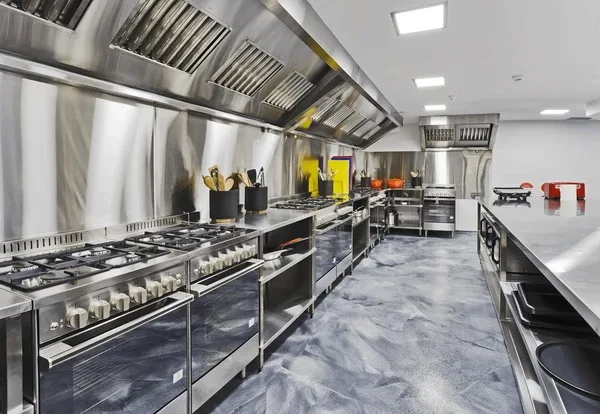
In hospitality, cleanliness isn’t a department — it’s a culture. It shapes how guests perceive your brand, how employees feel about their workplace, and how consistently your operations deliver quality. From the front of house to the kitchen, the standards you set for sanitation, hygiene, and food handling directly influence every part of your restaurant’s success. 1. Cleanliness Builds Trust and Brand Value Guests don’t just notice cleanliness — they feel it. The shine of cutlery, the smell of a clean dining room, the orderliness of a counter, or even the way staff present themselves create an immediate emotional impression. In an era where one online review or social media post can shape public perception overnight, a spotless restaurant isn’t optional — it’s brand insurance. Cleanliness signals professionalism, reliability, and care, translating into trust and repeat business. 2. Hygiene and Food Safety Protect the Guest Experience Strong hygiene and sanitation practices are the foundation of food safety. Proper food handling, temperature control, and storage protocols reduce the risk of contamination, spoilage, or illness — issues that can devastate brand reputation and legal standing. But more than compliance, food safety demonstrates respect — for guests’ health, for the craft of cooking, and for the team’s professionalism. When hygiene is treated as a shared responsibility rather than a checklist, it becomes a daily ritual of excellence. 3. Employee Pride and Productivity Start with a Clean Environment Employees take cues from the environment they work in. A clean, organized kitchen communicates discipline, pride, and respect. When team members see management investing in cleanliness — from proper tools to structured cleaning schedules — they internalize that standard and bring the same level of care to their work. The psychological impact is powerful: a clean workspace fosters focus, reduces stress, and improves morale. It tells employees they’re part of something professional — not just a job, but a brand with integrity. Conversely, poor sanitation leads to disorganization, inefficiency, and higher turnover. It’s difficult to maintain pride in a space that looks neglected. 4. Quality Assurance Begins with Clean Systems Quality assurance isn’t just about recipes or audits — it begins with environmental control. The cleanliness of prep areas, equipment, and storage directly impacts food quality and consistency. A spotless kitchen ensures accurate portioning, longer equipment life, and safer working conditions. Restaurants that institutionalize sanitation — through cleaning checklists, HACCP systems, and detailed food handling SOPs — can measure, monitor, and maintain quality standards more effectively. Cleanliness becomes data-driven, not discretionary. 5. Food Handling and Storage: The Backbone of Consistency Proper storage and handling practices protect both food quality and profitability. Temperature logs, FIFO (First In, First Out) rotation, and clear labeling prevent waste and ensure freshness. These processes don’t just protect safety — they sustain menu consistency and cost control. Investors, franchise partners, and inspectors all view food storage as a reflection of management control. When systems are clean, documented, and followed, they reinforce the brand’s credibility and scalability. 6. Clean Operations, Stronger Brands Ultimately, cleanliness and hygiene aren’t just operational tasks — they’re cultural standards that reflect leadership. The cleanest restaurants don’t achieve it by accident; they achieve it by design. They train, inspect, and reward. They make sanitation part of their brand DNA. And in doing so, they earn the loyalty of both guests and staff — building a reputation for excellence that lasts far longer than a single meal. Conclusion: Clean Leadership Builds Lasting Brands Cleanliness isn’t just a reflection of your operations — it’s a reflection of your leadership. When teams see that hygiene, organization, and food safety matter to management, they rise to that standard. The result is more than a clean kitchen — it’s a culture of pride, precision, and accountability that carries through every shift and every store. Guests may remember the meal, but employees remember the environment they worked in. And when that environment is disciplined, respectful, and clean, it builds brands that people want to work for, invest in, and visit again. Clean operations don’t just keep your business running — they keep your reputation growing. Ken Gooz President & CEO, Mainstreet Global Inc MainstreetGlobal.ca | MainstreetGlobal@gmail.com

Uncategorized

How Restaurant Brands Can Position Themselves for Investment

PartnerhipsAt Mainstreet Global, we believe the most investable restaurant brands are those built on clarity, systems, and credible partnerships. Engaging experienced advisors early doesn’t just prepare your company for investors — it accelerates growth, strengthens governance, and increases valuation. Whether you’re building your first franchise model or preparing for private equity, the right advisory partnership brings discipline, structure, and confidence to every stage of expansion. Ken GoozPresident & CEO, Mainstreet Global Inc. Hospitality Advisors and Consultants MainstreetGlobal.ca

Uncategorized

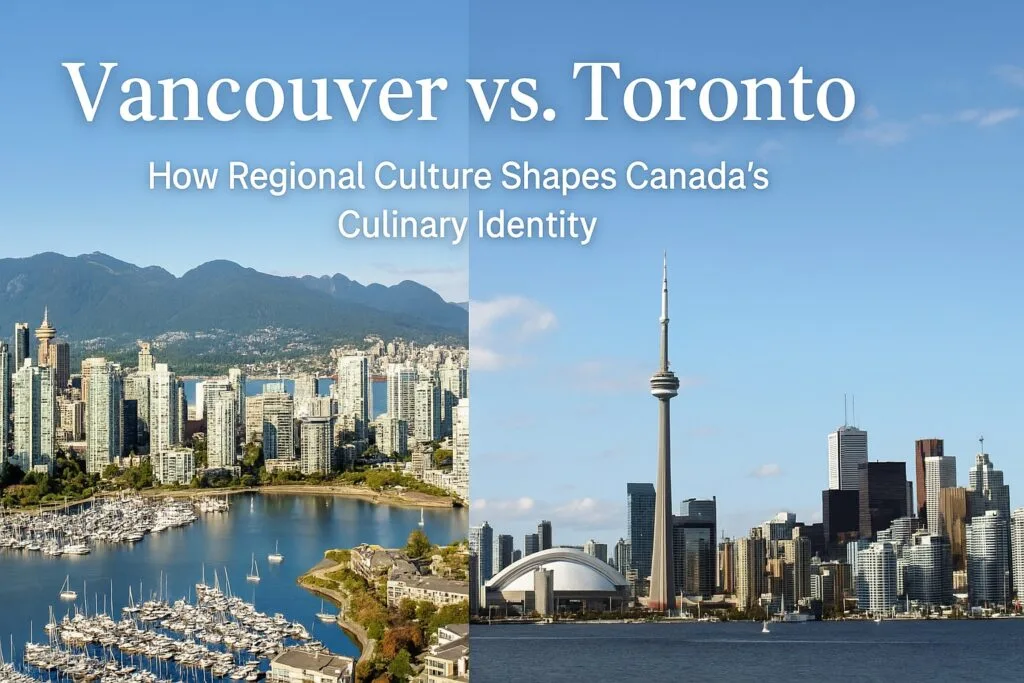
— How Vancouver and Toronto Taste the World Differently

Before diving into specifics: both cities are vibrant, multicultural and full of excellent dining options. But the flavours, emphasis, and “feel” of their food scenes differ in fascinating ways — shaped by geography, culture, and personality. Vancouver: West-Coast Freshness and Pacific Rim Fusion Vancouver’s coastal geography and access to ocean-and-forest produce heavily influence its cuisine. Restaurants often build menus around local seafood, foraged ingredients, and seasonal produce. You’ll find wild salmon, Dungeness crab, spot prawns, and kelp-based dishes featured proudly across the city. The city’s large Asian community has also left a permanent mark on its palate. From bustling ramen shops and izakayas in the West End to refined Japanese-inspired tasting menus, Pacific Rim flavours define modern Vancouver dining. Soy, miso, sesame, and citrus balance clean seafood and earthy vegetables. Vancouver’s chefs favour light, bright, ingredient-forward cooking — less about heavy sauces, more about purity of flavour. The result feels distinctly “West Coast”: modern, sustainable, and quietly confident. Dining rooms are often minimalist and nature-inspired, reflecting the city’s lifestyle: relaxed, health-oriented, close to the land and sea. In essence, Vancouver tastes like fresh air and fusion — global ideas filtered through a regional lens. Toronto: The Global Table If Vancouver whispers refinement, Toronto roars diversity. Canada’s largest city is a culinary kaleidoscope, shaped by waves of immigration from every corner of the globe. Walk through its neighbourhoods and you’ll move through worlds: Ethiopian injera in the Junction, Trinidadian doubles in Scarborough, Vietnamese pho in East Chinatown, Syrian shawarma downtown. Toronto’s food culture is defined by abundance and contrast. You can find Michelin-starred tasting menus a few blocks from food-truck pop-ups serving West African or Filipino street snacks. Chefs experiment freely — fusing Middle Eastern spices with Caribbean heat or reimagining Italian classics with Korean or Peruvian twists. The flavours here are bold, layered, and expressive. Spice, smoke, char, and sweetness compete and complement. Where Vancouver tends toward subtlety, Toronto celebrates intensity. It’s a city where food mirrors its pace — busy, dynamic, and endlessly changing. Toronto’s diners are adventurous, used to exploring new cuisines and trends. Authenticity matters, but so does innovation. In this melting pot, the only constant is curiosity. Why the Flavours Differ Geography plays a starring role. Vancouver’s proximity to the Pacific and its mild climate make local sourcing natural and abundant; Toronto, sitting inland, relies more on imported goods and global supply chains, freeing chefs to think internationally rather than regionally. Demographics are another key ingredient. Vancouver’s population has strong roots in East and Southeast Asia, creating a Pacific-leaning flavour identity. Toronto’s vast multicultural mix brings a broader palette — South Asian, Middle Eastern, African, Caribbean, Latin American — resulting in a truly global food scene. Personality and pace shape the rest. Vancouver’s restaurants channel the calm confidence of a coastal city; Toronto’s mirror the energy and competition of a metropolis. Vancouver refines; Toronto experiments. Vancouver focuses on sourcing; Toronto thrives on fusion. What It Means for Diners For diners, both cities offer something special. Each city reflects a different side of Canadian identity: Vancouver shows how local and global can harmonize naturally; Toronto proves how diversity itself can become a cuisine. In Closing The dining scenes of Vancouver and Toronto aren’t competing — they’re complementary chapters in Canada’s culinary story. Vancouver defines the country’s West Coast voice: thoughtful, ingredient-driven, and connected to nature. Toronto represents its cosmopolitan heart: bold, international, and ever-evolving. Both prove that Canadian cuisine doesn’t fit one flavour profile — it’s a conversation between landscapes, cultures, and creativity. Ken Gooz President & CEO, Mainstreet Global Inc mainstreetglobal.ca | mainstreetglobal@gmail.com 

Uncategorized

Leading Through Consistency: How Brand Standards Protect Value and Drive Scalable Growth

Investors don’t just fund restaurant concepts — they back systems that deliver predictable performance, protect margins, and scale without losing brand integrity. To Begin In hospitality, trust is currency — and consistency is what earns it. For investors, private equity, and franchise developers, a restaurant brand’s true strength lies not only in its product or design but in its systems. Brand standards, SOPs, and training programs are more than internal tools — they’re operational assets that protect your investment. They make performance measurable, growth repeatable, and brand quality reliable across every location and ownership model. A restaurant that can deliver the same experience in Toronto, Bangkok, and Vancouver isn’t lucky — it’s engineered for scale. 1. Brand Standards Protect Brand Value Strong brand standards reduce risk and create consistency, which is directly tied to valuation. They define what the brand stands for and ensure every execution supports it — from the way dishes are plated to how franchisees interact with guests. Inconsistent execution is expensive. It erodes guest loyalty, creates inefficiencies, and weakens investor confidence. Consistency, on the other hand, builds trust and predictability, two traits every investor looks for before committing capital. 2. SOPs: Protecting ROI Through Replication Standard Operating Procedures (SOPs) are the infrastructure of scalable performance. They turn concept vision into daily discipline — ensuring each unit operates with the same precision and accountability. For investors, SOPs are a replication tool. They make multi-unit growth faster, lower training costs, and ensure reliable returns even with new operators. SOP-driven systems are what make great brands investable. 3. Operating Manuals: Institutionalizing Knowledge Operating manuals capture intellectual property — your playbook for performance. When these are built professionally, they increase a brand’s enterprise value by documenting every standard, benchmark, and best practice. A strong manual provides: This documentation gives investors transparency — and confidence that the business is structured for replication, not reinvention. 4. Training Programs: Protecting Human Capital A brand is only as strong as its people. Comprehensive training turns brand standards into culture — and culture into performance. Investors look for brands that have: Brands that invest in training retain more talent, perform more consistently, and scale faster — making them lower risk and higher return. 5. Quality Assurance: Safeguarding the Guest Experience Ongoing QA systems — operational audits, guest feedback loops, and compliance reviews — ensure brand standards aren’t static. They evolve and protect quality as the brand grows. For capital partners, QA data provides measurable proof that systems are working — allowing for performance-based scaling rather than assumption-based growth. Final Thought Investors bet on systems, not slogans. The restaurants that scale successfully — and attract long-term investment — are those that have operationalized excellence through brand standards, documentation, and culture. Brand standards aren’t red tape — they’re the blueprint for profitability. When your systems protect performance, your brand becomes more than consistent — it becomes investable. Ken Gooz President & CEO, Mainstreet Global Inc mainstreetglobal.ca | mainstreetglobal@gmail.com

Uncategorized

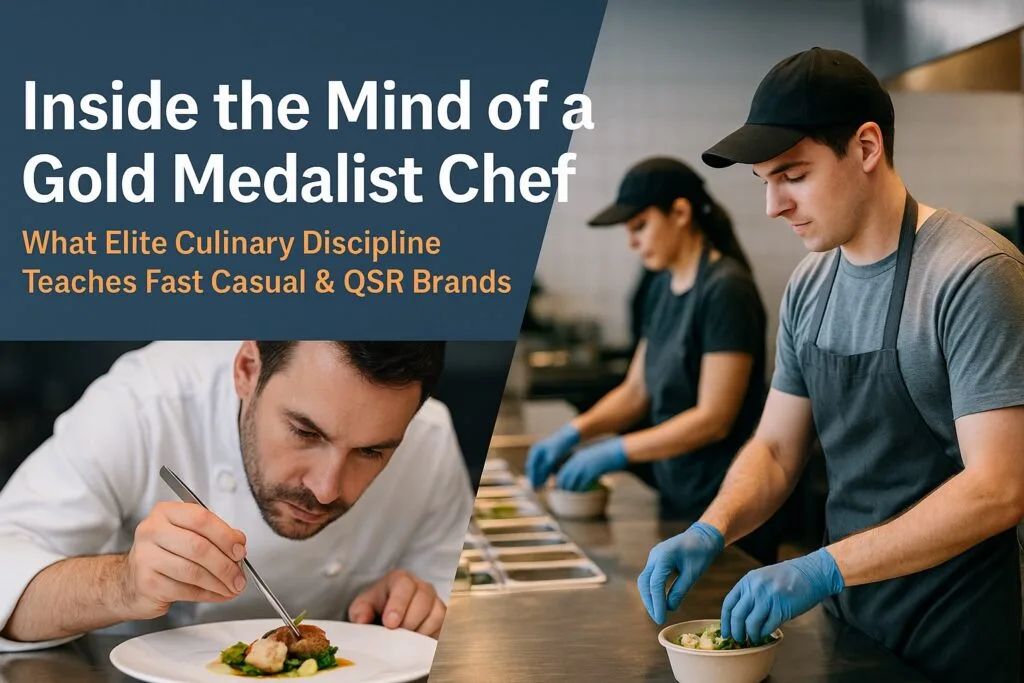
Inside the Mind of a Gold Medalist Chef — and What It Teaches Today’s Restaurants

Behind every gold medalist chef is a mindset forged in discipline, creativity, and precision. They don’t just cook — they compete at the highest level, where every second and every detail matters. And those same principles are what separate good restaurants from great ones — whether you’re running fine dining, fast casual, or QSR. 1. Consistency Is the Real Competitive Edge Gold medal chefs train for flawless execution. Every plate, every service, every time. That same standard drives today’s top brands. In fast casual and QSR, consistency is currency — it earns loyalty, repeat business, and investor trust. Excellence repeated daily builds brands that last. 2. Innovation Is a System, Not a Spark Elite chefs don’t wait for inspiration; they plan for it. R&D is built into their schedule. Modern restaurant brands like Sweetgreen and CAVA do the same — using test kitchens, data, and guest feedback to innovate with precision. Structured creativity is what keeps menus fresh and relevant. 3. Training Builds Confidence — and Speed Gold medalists prepare until instinct takes over. In restaurants, training plays that same role. The best operators build strong SOPs and hands-on coaching so teams execute smoothly under pressure. Confidence comes from clarity — not luck. 4. Details Create Emotion A champion chef knows the smallest detail — aroma, texture, timing — shapes the guest’s memory. Fast casual and QSR brands that understand this create emotional loyalty through lighting, packaging, music, and pacing. Great brands design every moment. 5. Passion Needs Process Talent and heart matter — but systems win championships. Restaurants that balance creative passion with operational process scale faster, protect quality, and build culture. Passion fuels vision; process delivers it. The Gold Medal Mindset The mindset of a gold medalist chef applies everywhere in hospitality: That’s how excellence scales — from the competition stage to the corner kitchen. Ken Gooz President & CEO, Mainstreet Global Inc mainstreetglobal.ca | mainstreetglobal@gmail.com 

Uncategorized

Why Michelin-Star Chefs Never Stop Innovating

The Relentless Pursuit of Excellence Through R&D and Travel Michelin-star chefs live in a world where perfection is expected — and reinvention is required. Whether holding one, two, or three stars, these chefs understand that innovation isn’t a luxury; it’s survival. The moment a restaurant stops evolving, it starts falling behind. Innovation Is the Currency of Michelin Recognition The Michelin Guide rewards creativity, consistency, and emotion on the plate. A dish must surprise and delight, not just satisfy. That means every service, every menu, every ingredient choice is an experiment. For a 1-star chef, innovation might mean refining technique or elevating a classic. For a 2-star, it’s about crafting identity and distinctiveness. For a 3-star, it’s pushing boundaries so far that dining becomes an art form — a sensory experience beyond expectation. Continuous R&D — from fermentation labs to new cooking technologies — fuels that process. Chefs study flavor profiles, revisit forgotten ingredients, and collaborate with scientists, artists, and farmers to uncover what’s next. Travel: The Ultimate Creative Catalyst Travel is the lifeblood of culinary evolution. Michelin chefs travel not for leisure but for learning — tasting street food in Bangkok, exploring olive groves in Tuscany, or studying umami at Tokyo’s fish markets. Every journey introduces new textures, cultures, and philosophies of taste. The best chefs don’t imitate; they translate — transforming global inspiration into something deeply personal and locally rooted. As Massimo Bottura once said, “Travel opens your mind, and open minds make better food.” The Science of Staying Relevant In the Michelin world, reputation is fragile. Diners, critics, and inspectors expect evolution. A chef’s relevance depends on their ability to surprise — not with gimmicks, but with authentic progress. That’s why top restaurants invest heavily in R&D kitchens — dedicated spaces where chefs test new ideas, perfect plating, and explore sustainability. From fermentation to food waste innovation, these labs are as important as the dining room. Beyond the Plate: Leadership Through Curiosity Michelin-star chefs lead teams of artisans — from sommeliers and pastry chefs to foragers and designers. Their relentless curiosity sets the cultural tone. Innovation isn’t a department; it’s a mindset. Travel keeps that mindset alive. Exposure to new ideas reminds chefs that excellence is never static — and that humility and learning are the true ingredients of mastery. The Michelin Standard: Evolve or Expire At its core, the Michelin system celebrates evolution. The difference between one and three stars isn’t just execution — it’s the courage to reinvent without losing soul. Every new technique, every international influence, and every creative risk reflects one unspoken truth: greatness in gastronomy is a moving target. Closing Thought: The world’s top chefs don’t chase stars — they chase growth. Innovation and travel aren’t side projects; they’re the heartbeat of their craft. That’s why the best in the world are never finished — they’re always on the move. Ken Gooz President & CEO, Mainstreet Global Inc mainstreetglobal.ca | mainstreetglobal@gmail.com 

Uncategorized

The Importance of Developing and Using Brand Standards

In hospitality, consistency builds trust — and trust builds brands. Whether you’re operating a high-volume full-service restaurant, a boutique hotel, or a multi-unit fast casual chain, your greatest competitive advantage isn’t just your concept — it’s your consistency. Strong brands don’t rely on personality or intuition. They rely on brand standards, Standard Operating Procedures (SOPs), training systems, and quality assurance programs that make excellence repeatable. How Brand Standards Shape the Guest Experience Brand standards are the blueprint for every interaction your guest has — the way a dish is plated, a room is prepared, or a server greets a table. These small details shape perception, and perception drives loyalty. According to Deloitte’s “Hospitality 2025” study, 87% of guests say consistency is the most important factor in choosing where to stay or dine. A Harvard Business Review analysis found that emotionally connected customers are 52% more valuable on average — meaning guests who trust your experience spend more and return more often. Every consistent guest experience does three things: Simply put — every standard that strengthens the guest experience compounds into future revenue. SOPs: Turning Brand Vision into Operational Reality Standard Operating Procedures (SOPs) are the engine that turn brand identity into action. They define the how — how kitchens prep, how front desk staff handle check-ins, how managers close out nightly reports. When SOPs are implemented, operations become measurable and scalable: In short, SOPs don’t just protect standards — they multiply operational output without increasing chaos. Brand Standards as a Driver of Company Value A strong brand isn’t just a marketing tool — it’s a financial asset. When standards and systems are documented and enforced, they: In private equity terms, a scalable hospitality brand with standardized manuals and QA systems can trade at 1–2x higher EBITDA multiples than single-unit operators or brands with loose governance. Your brand standards are your intellectual property — they are your blueprint for how value is created, protected, and expanded. The Compounding Effect: Experience → Loyalty → Revenue → Brand Equity In hospitality, every system supports one ultimate goal — the guest experience. When your brand delivers that experience every time, guests become marketers, employees perform with clarity, and investors see a company built to scale. The cycle is simple: Final Thought Brand and operating standards aren’t just about control — they’re about freedom to grow. A brand that’s defined, trained, and measured can scale across cities, countries, and markets without losing what makes it special. Final Thought Brand and operating standards aren’t just about control — they’re about freedom to grow. A brand that’s defined, trained, and measured can scale across cities, countries, and markets without losing what makes it special. Ken Gooz President & CEO, Mainstreet Global Inc mainstreetglobal.ca | mainstreetglobal@gmail.com

Uncategorized

Why Investors Bet on CEOs, Not Just the Brands in Hospitality

In the restaurant and hospitality world, investors aren’t writing cheques for logos, menus, or real estate — they’re backing the person leading the growth. A brand can have all the right ingredients, but without a CEO who can scale, protect the concept, manage partners, and negotiate capital, the deal doesn’t move forward. Private equity, family offices, and developers know this: the leader is the real asset — the brand is the platform they build on Here’s what they’re really betting on when they invest. A Scalable Brand Needs a Scalable Leader A strong restaurant or hospitality concept without leadership behind it is just an idea. Investors look for CEOs who can: The difference between a regional favourite and a global franchise brand rarely comes down to food or décor — it comes down to leadership. CEOs Control the DNA of the Deal Investors know the structure of a deal only works if the leader understands: A CEO who understands how restaurant and hospitality deals are financed, licensed, and operated gives investors immediate confidence. Brand Standards and Culture Start at the Top Franchise and hospitality systems crack when leadership is weak. Investors look for CEOs who can: A great CEO doesn’t just scale restaurants — they scale reputation. They Understand Partnership, Not Just Pitches Investors aren’t interested in founders who only want a cheque. They want CEOs who understand partnership economics and long-term growth: Leaders who think like owners but communicate like partners win investor trust. They Anticipate Change Before It Hits The hospitality industry moves fast — trends shift, labour tightens, costs rise, real estate evolves. Investors look for CEOs who: A strong CEO gives investors confidence their capital can withstand market shifts. Execution Builds Enterprise Value A restaurant or hospitality brand might look good on paper, but investors want proof of performance. CEOs who win investment are the ones who: Execution turns investor money into growth — and growth into enterprise value. In Closing Investors don’t back restaurant or hospitality brands — they back the CEOs who can scale them, protect them, and turn them into platforms worth owning. A menu can be copied. A logo can be redesigned. A dining concept can be licensed. But a CEO who can attract capital, manage partnerships, grow markets, and stay in control? That’s the real asset investors are buying. Ken Gooz President & CEO, Mainstreet Global Inc  mainstreetglobal.ca | mainstreetglobal@gmail.com

Uncategorized

What Investors, Private Equity, and Family Offices Expect from Founders in 2026 Before Backing a Restaurant or Hospitality Brand’s Growth

International franchise growth is no longer driven by entrepreneurs buying single units—it’s being powered by capital groups, real estate developers, and private equity looking for scalable restaurant brands. But investors today aren’t just handing out money. They’re looking for franchise concepts that are built for multi-market expansion and deliver predictable returns. If you’re a restaurant founder, brand operator, or franchise developer, understanding what these investors want is the difference between scaling globally—or stalling at home. Here’s exactly what investors are prioritizing in 2026 and beyond. 1. Proven Unit Economics — Not Just a Great Brand Story Investors are no longer impressed by buzz, design, or concept alone. They want: If your financial model can’t be replicated in multiple markets, you’re not investment-ready. 2. A Franchise Model That Can Scale Across Borders Capital-backed partners don’t invest for one location—they invest for regions. To win their interest, your franchise system needs: In emerging markets like Southeast Asia, the Middle East, investors want brands that can plug into existing real estate portfolios quickly. 3. Strong Leadership and Operational Infrastructure Private equity and developers aren’t looking to run your business—they’re backing brands with leadership who can deliver. They look for: Investors bet on the operator as much as the concept. 4. A Brand That Can Compete — and Travel Internationally Investors don’t just ask, “Is this a good concept?” They ask, “Will this brand win in multiple markets?” They’re looking for restaurant franchises that are: 5. Compliance, IP Protection, and Clean Governance Capital groups perform heavier due diligence today than ever before. They expect: Even great brands get passed over if the paperwork isn’t bulletproof. 6. Technology and Data Built Into the Model For investors, tech is no longer optional. They want to see: Brands that can’t scale tech can’t scale capital. 7. Exit Strategy and Long-Term Asset Value The biggest shift in 2026+? Investors want franchises that translate to real asset growth. They’re thinking: They’re not buying a restaurant. They’re building an asset. The 2026 Franchise Growth Reality To attract capital today, a restaurant brand doesn’t just need great food and a good story—it needs: ✔ Scalable economics ✔ Systems that travel across borders ✔ IP and structure investors can trust ✔ Leadership that can grow with funding If you’re operating or investing in a franchise brand, the winners won’t be the trendiest brands they’ll be the ones that are investment-ready and expansion-proof. Ken Gooz President & CEO, Mainstreet Global Inc mainstreetglobal.ca | mainstreetglobal@gmail.com 

Scroll to Top