
October 16, 2025

@kengooz, Ken Gooz

Inside the Mind of a Gold Medalist Chef — and What It Teaches Today’s Restaurants

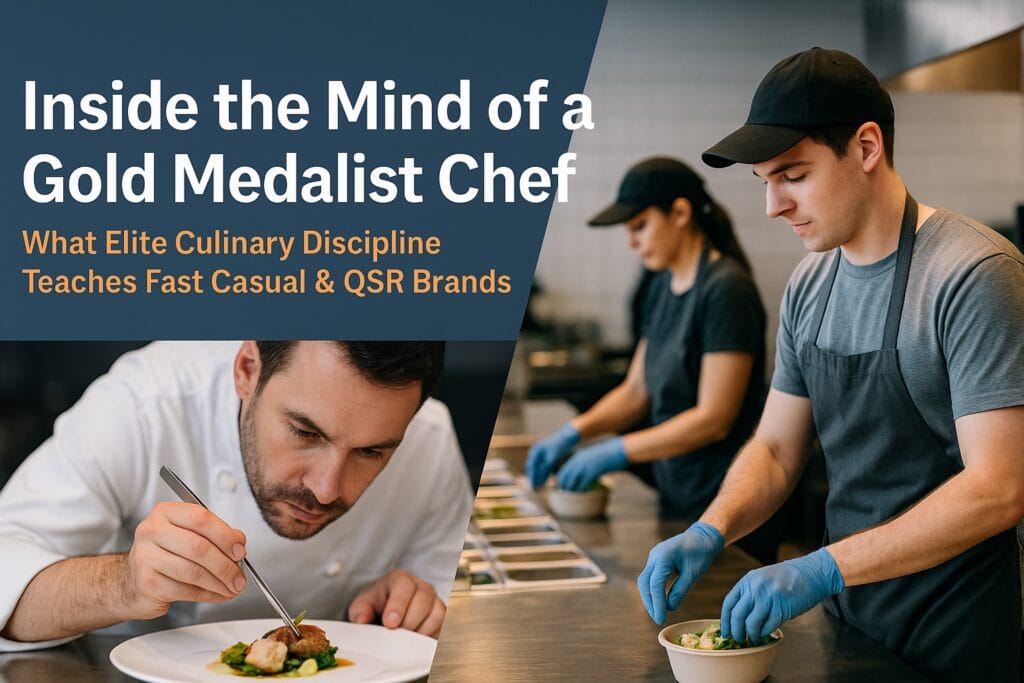
Behind every gold medalist chef is a mindset forged in discipline, creativity, and precision. They don’t just cook — they compete at the highest level, where every second and every detail matters. And those same principles are what separate good restaurants from great ones — whether you’re running fine dining, fast casual, or QSR. 1. Consistency Is the Real Competitive Edge Gold medal chefs train for flawless execution. Every plate, every service, every time. That same standard drives today’s top brands. In fast casual and QSR, consistency is currency — it earns loyalty, repeat business, and investor trust. Excellence repeated daily builds brands that last. 2. Innovation Is a System, Not a Spark Elite chefs don’t wait for inspiration; they plan for it. R&D is built into their schedule. Modern restaurant brands like Sweetgreen and CAVA do the same — using test kitchens, data, and guest feedback to innovate with precision. Structured creativity is what keeps menus fresh and relevant. 3. Training Builds Confidence — and Speed Gold medalists prepare until instinct takes over. In restaurants, training plays that same role. The best operators build strong SOPs and hands-on coaching so teams execute smoothly under pressure. Confidence comes from clarity — not luck. 4. Details Create Emotion A champion chef knows the smallest detail — aroma, texture, timing — shapes the guest’s memory. Fast casual and QSR brands that understand this create emotional loyalty through lighting, packaging, music, and pacing. Great brands design every moment. 5. Passion Needs Process Talent and heart matter — but systems win championships. Restaurants that balance creative passion with operational process scale faster, protect quality, and build culture. Passion fuels vision; process delivers it. The Gold Medal Mindset The mindset of a gold medalist chef applies everywhere in hospitality: That’s how excellence scales — from the competition stage to the corner kitchen. Ken Gooz President & CEO, Mainstreet Global Inc mainstreetglobal.ca | mainstreetglobal@gmail.com 
@kengooz, Ken Gooz

Why Michelin-Star Chefs Never Stop Innovating

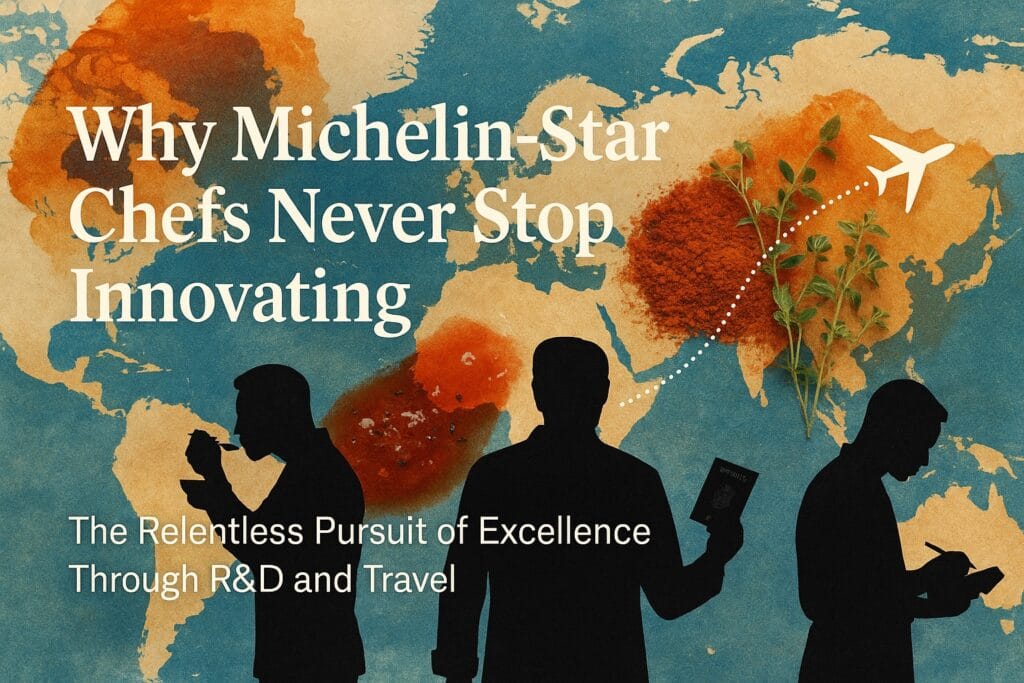
The Relentless Pursuit of Excellence Through R&D and Travel Michelin-star chefs live in a world where perfection is expected — and reinvention is required. Whether holding one, two, or three stars, these chefs understand that innovation isn’t a luxury; it’s survival. The moment a restaurant stops evolving, it starts falling behind. Innovation Is the Currency of Michelin Recognition The Michelin Guide rewards creativity, consistency, and emotion on the plate. A dish must surprise and delight, not just satisfy. That means every service, every menu, every ingredient choice is an experiment. For a 1-star chef, innovation might mean refining technique or elevating a classic. For a 2-star, it’s about crafting identity and distinctiveness. For a 3-star, it’s pushing boundaries so far that dining becomes an art form — a sensory experience beyond expectation. Continuous R&D — from fermentation labs to new cooking technologies — fuels that process. Chefs study flavor profiles, revisit forgotten ingredients, and collaborate with scientists, artists, and farmers to uncover what’s next. Travel: The Ultimate Creative Catalyst Travel is the lifeblood of culinary evolution. Michelin chefs travel not for leisure but for learning — tasting street food in Bangkok, exploring olive groves in Tuscany, or studying umami at Tokyo’s fish markets. Every journey introduces new textures, cultures, and philosophies of taste. The best chefs don’t imitate; they translate — transforming global inspiration into something deeply personal and locally rooted. As Massimo Bottura once said, “Travel opens your mind, and open minds make better food.” The Science of Staying Relevant In the Michelin world, reputation is fragile. Diners, critics, and inspectors expect evolution. A chef’s relevance depends on their ability to surprise — not with gimmicks, but with authentic progress. That’s why top restaurants invest heavily in R&D kitchens — dedicated spaces where chefs test new ideas, perfect plating, and explore sustainability. From fermentation to food waste innovation, these labs are as important as the dining room. Beyond the Plate: Leadership Through Curiosity Michelin-star chefs lead teams of artisans — from sommeliers and pastry chefs to foragers and designers. Their relentless curiosity sets the cultural tone. Innovation isn’t a department; it’s a mindset. Travel keeps that mindset alive. Exposure to new ideas reminds chefs that excellence is never static — and that humility and learning are the true ingredients of mastery. The Michelin Standard: Evolve or Expire At its core, the Michelin system celebrates evolution. The difference between one and three stars isn’t just execution — it’s the courage to reinvent without losing soul. Every new technique, every international influence, and every creative risk reflects one unspoken truth: greatness in gastronomy is a moving target. Closing Thought: The world’s top chefs don’t chase stars — they chase growth. Innovation and travel aren’t side projects; they’re the heartbeat of their craft. That’s why the best in the world are never finished — they’re always on the move. Ken Gooz President & CEO, Mainstreet Global Inc mainstreetglobal.ca | mainstreetglobal@gmail.com 

Scroll to Top